A cat restraint bag is not cruel by design — it becomes a welfare problem only in how long it's used, how tightly it's fastened, and whether the cat associates it with punishment instead of a quick vet visit or nail trim. The bag itself is neutral; the handling around it is what determines whether a cat panics or settles.
- Is it cruel to use a cat restraint bag? No — not when it's sized right, used briefly, and paired with treats.
- Cruelty comes from prolonged struggling, over-tight fastening, or using the bag as punishment, not the tool itself.
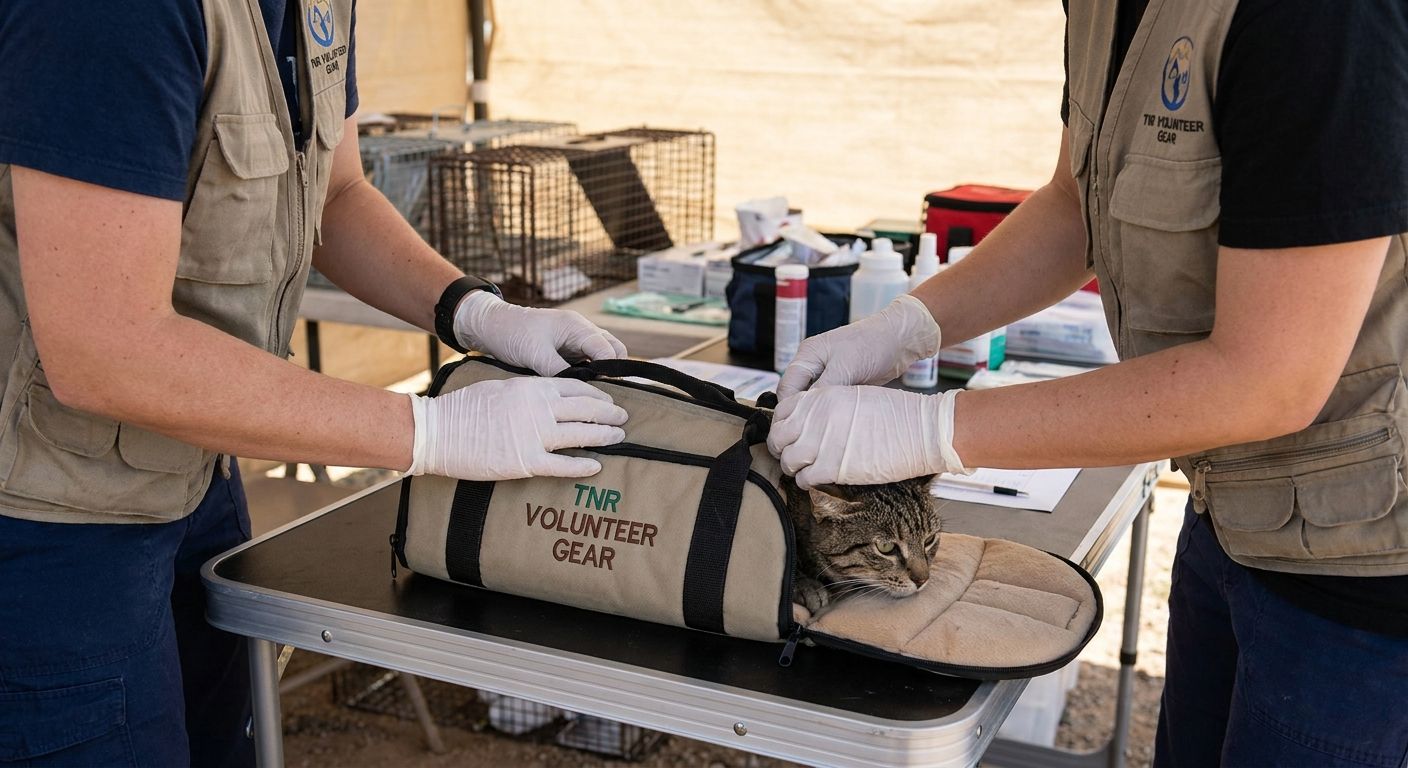
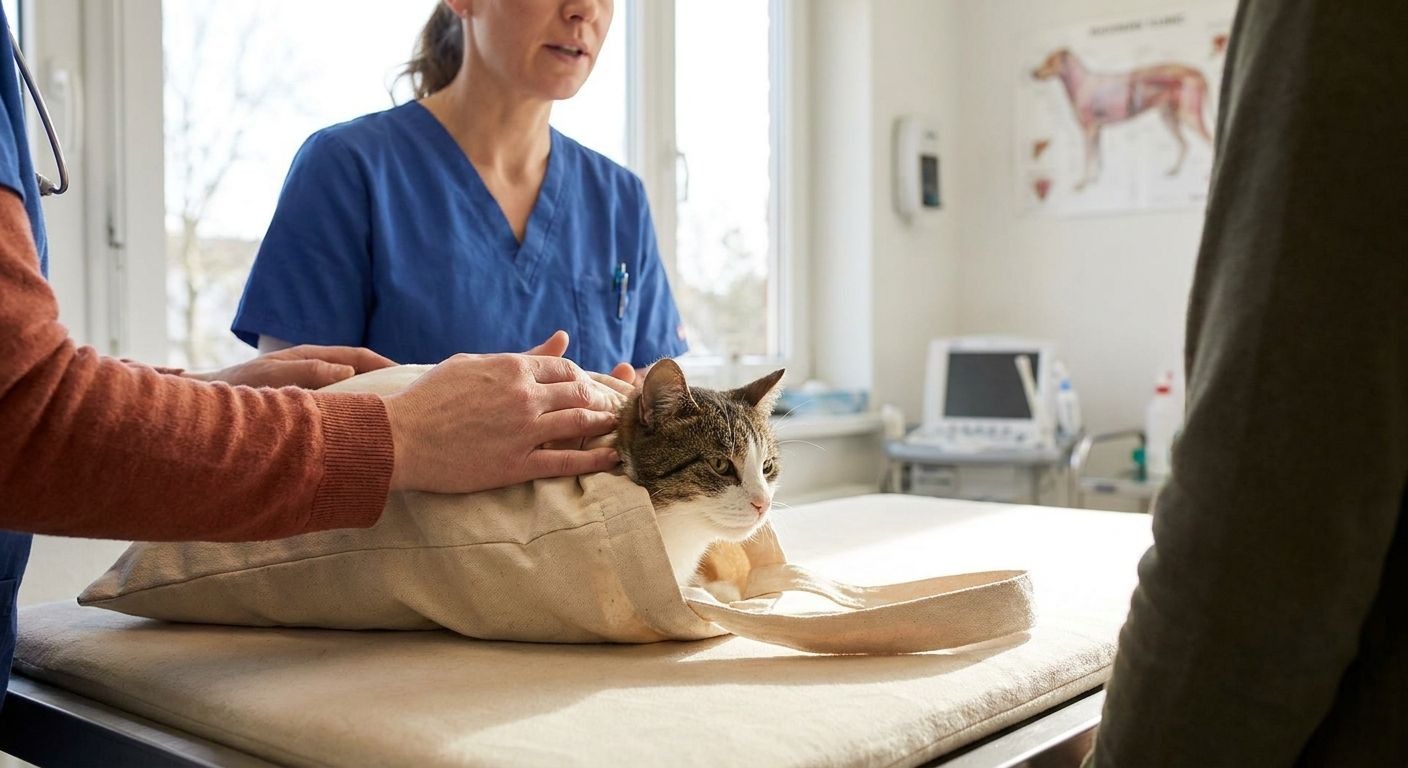
- Vets and groomers use restraint bags routinely in 2026 for nail trims, blood draws and wound checks.
- Adjustable wrap-style restraints like the Snug Pro Cat Wrap let paws and head stay free, unlike full zip-up bags.
- Skip any bag with no quick-release — that's where real welfare risk lives, not the concept of restraint.
Why this matters
Cat parents across Malaysia, Singapore, Thailand and Australia are grooming more at home in 2026, partly because vet visits stress cats out and partly because nail trims and medication are easier to manage on your own schedule. The worry that a restraint bag or grooming bag might be cruel is fair — cats are prey animals, and anything that limits movement can trigger a fear response if it's mishandled.
The difference between a helpful tool and a harmful one comes down to fit, duration, and what happens right before and after. A cat wrapped snugly for 90 seconds during a nail trim, then released and rewarded, is having a very different experience than a cat forced into an oversized bag and left zipped for ten minutes while it thrashes.
Is it cruel to use a cat restraint bag?
The honest answer depends on the method, not the category. Here's how the common options compare on stress and outcome:
| Restraint method | How it works | Stress level | Best for | Verdict |
|---|---|---|---|---|
| Mesh zip restraint bag | Cat goes in, bag zips fully, paws poke through side slits | High if oversized or left zipped too long | Vets doing blood draws on fractious cats | Hold |
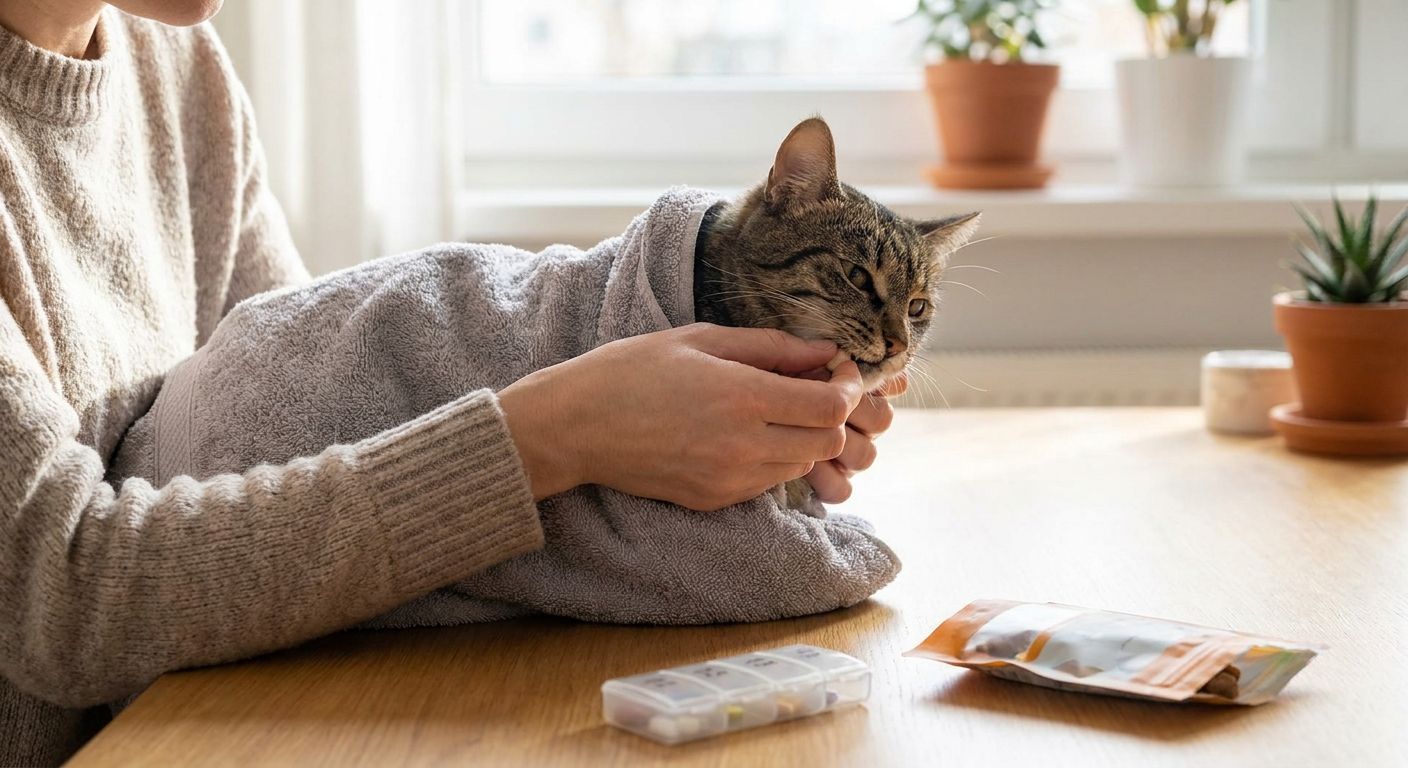
| Adjustable wrap-style restraint | Fabric wraps snugly around the body, adjusts to size, head and paws stay free | Low to moderate when sized correctly | Nail trims, oral meds, at-home handling | Buy |
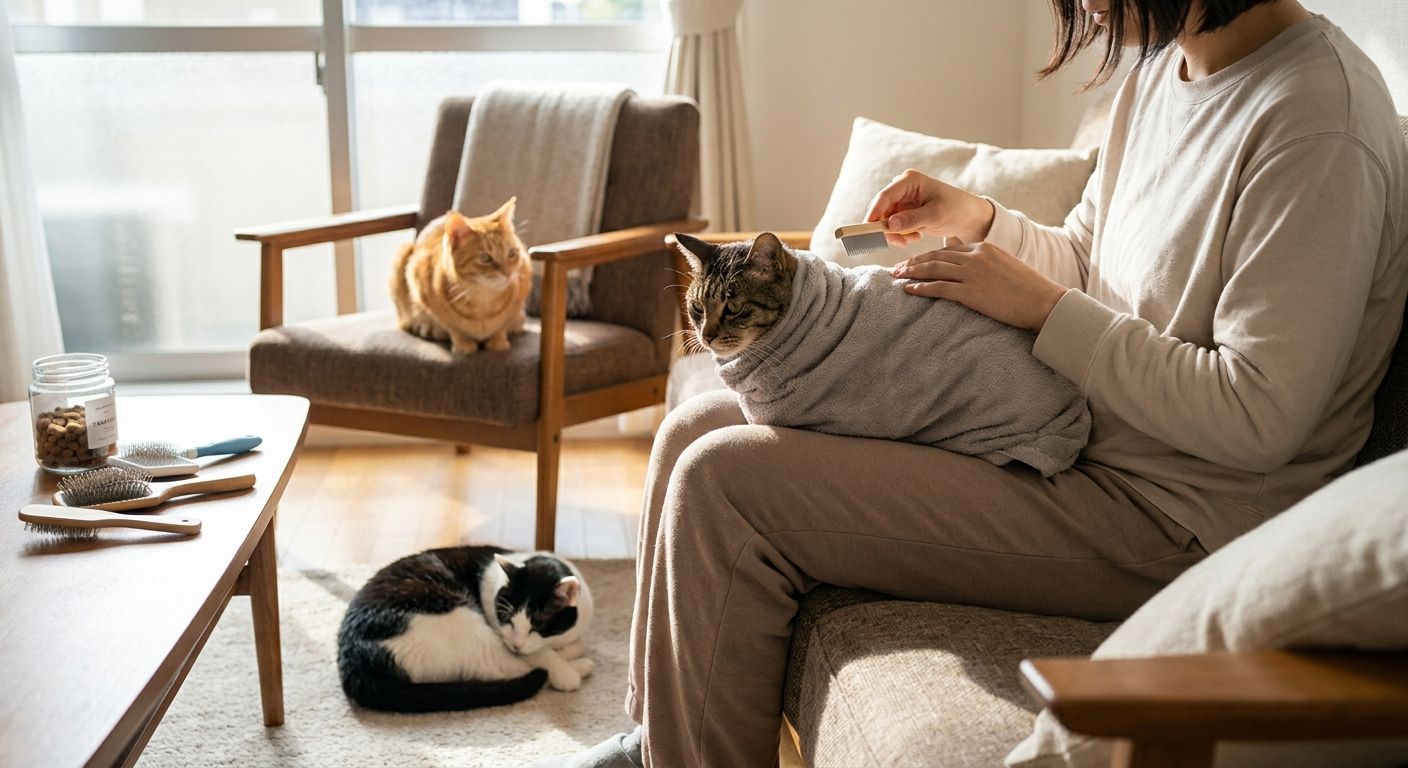
| Towel burrito wrap | Bath towel folded and tucked around the body, no fasteners | Low, but cats wriggle free easily | Quick jobs under two minutes, ear checks | Buy |
| Two-person pin-down | One person holds the body while the other works | High — often triggers a fight response | Genuine emergencies only | Skip |
| No restraint at all | Cat is held loosely or left free | Low stress, high scratch risk to the handler | Extremely calm, well-handled cats only | Hold |
A full-enclosure bag with no quick-release and no visibility for the cat carries the most welfare risk on this list. An adjustable wrap that leaves the head free and lets the cat see out tends to produce a calmer cat, because the animal isn't disoriented on top of being restrained.
Mesh zip restraint bags
These are the bags most people picture when they hear the phrase, and they're standard equipment in veterinary clinics for a reason — they expose one limb at a time for injections or blood draws while keeping the rest of the cat contained. The risk is duration and fit: a bag that's too small presses on the ribcage, and one left zipped past a couple of minutes turns a handling tool into a stress event. Verdict: Hold — fine in trained hands for short procedures, not something to leave a cat in unsupervised.
Adjustable wrap-style restraints
Wrap-style designs, including the Snug Pro Cat Wrap, fasten to the cat's body rather than forcing the cat to fit a fixed bag size. The head and paws stay visible and free, which matters for cats that panic when they can't see their surroundings. Verdict: Buy — this is the format that suits at-home nail trims and medicating best, because it reduces the trapped sensation that drives a flight response.
Full-enclosure bags with no release mechanism
Any bag that zips shut completely with no fast way to release the cat is the version worth avoiding in 2026. If your cat can't be freed in under five seconds when it starts struggling hard, the design is working against you. Verdict: Skip — the concept of restraint isn't the problem here, the missing exit is.
Why some cat parents think restraint bags are cruel
The reputation problem traces back to a handful of specific mistakes, not the tool category itself:
- Leaving the cat enclosed too long — anything past two or three minutes for a routine task is longer than needed.
- Using the wrong size — too tight restricts breathing, too loose lets the cat twist and hurt a limb trying to escape.
- No prior desensitization — a cat that's never seen the bag before being put in it will panic regardless of how good the bag is.
- Skipping the reward — no treat, no praise, no calm exit means the cat only ever links the bag to something unpleasant.
- Using it as punishment — restraint for grooming is a tool; restraint used to scold teaches fear, not cooperation.
- Ignoring body language — flattened ears, dilated pupils and a thumping tail mean stop and reassess, not push through.
“A restraint bag isn't cruel or kind on its own. The duration, the fit and the treat afterward decide which one it becomes.”


Do vets consider cat restraint bags inhumane?
No — veterinary clinics use restraint bags and wraps routinely in 2026 for blood draws, nail trims and wound treatment, because they cut the risk of scratches and bites during a stressful procedure. What raises welfare concerns is prolonged struggling against a poorly fitted bag, not brief, gentle restraint itself.
How long can a cat stay in a restraint bag?
Most routine tasks — a nail trim, oral medication, a quick wound check — take under two minutes inside a wrap or bag, and that's the window to work within. Anything longer without a break signals the cat needs a calmer approach, not a firmer grip.
Is a towel wrap better than a restraint bag for cats?
A towel wrap works for very short, low-stress jobs like wiping paws or checking an ear, but it slips easily and gives less control than an adjustable wrap-style restraint. For anything that needs the cat to hold still longer than a few seconds, a purpose-built wrap holds up better than a folded towel.
FAQ
Is it cruel to use a cat restraint bag?
No, not inherently. A cat restraint bag becomes cruel through misuse: leaving a cat enclosed for long periods, using an oversized or ill-fitting bag, or applying it as punishment rather than as a brief handling tool.
What's the best alternative to a full zip-up restraint bag?
An adjustable wrap-style restraint such as the Snug Pro Cat Wrap is gentler, because it leaves the head and paws visible and free while still limiting body movement for nail trims or medication.
How do I know if my cat is too stressed in a restraint bag?
Flattened ears, dilated pupils, loud vocalising or a thumping tail mean the cat is past its stress threshold. Stop the task immediately rather than pushing through.
Can restraint bags be used on kittens?
Yes, with short sessions and plenty of treats. Early handling experiences shape how a cat responds to grooming for years, so a calm first session matters more than finishing the job.
Do restraint wraps work for senior cats?
Yes, with extra care around stiff or sore joints. A soft, adjustable wrap spreads pressure across the body instead of pressing on one area the way a rigid mesh bag can.
Is scruffing better than a restraint bag?
No. Current veterinary handling guidance discourages routine scruffing because it can hurt and increase fear, while a well-fitted wrap distributes pressure across the body instead.
How often can I use a restraint wrap on my cat?
As often as the task requires, such as nail trims every two to three weeks or a vet-set medication schedule, provided each session stays short and ends with a reward.
Should I practise with the wrap before a real nail trim?
Yes. Letting your cat sniff and sit near the wrap with treats a few times before any real use cuts panic sharply on the first proper session.
One last thing
The detail most cat parents miss isn't the bag — it's the exit. A restraint tool with a fast, one-motion release turns a scary moment into a short one, and that single design choice does more to reduce cat stress in 2026 than any amount of coaxing layered on top of a bag your cat can't get out of. Let your cat leave on their own terms and the next session starts from a calmer place.