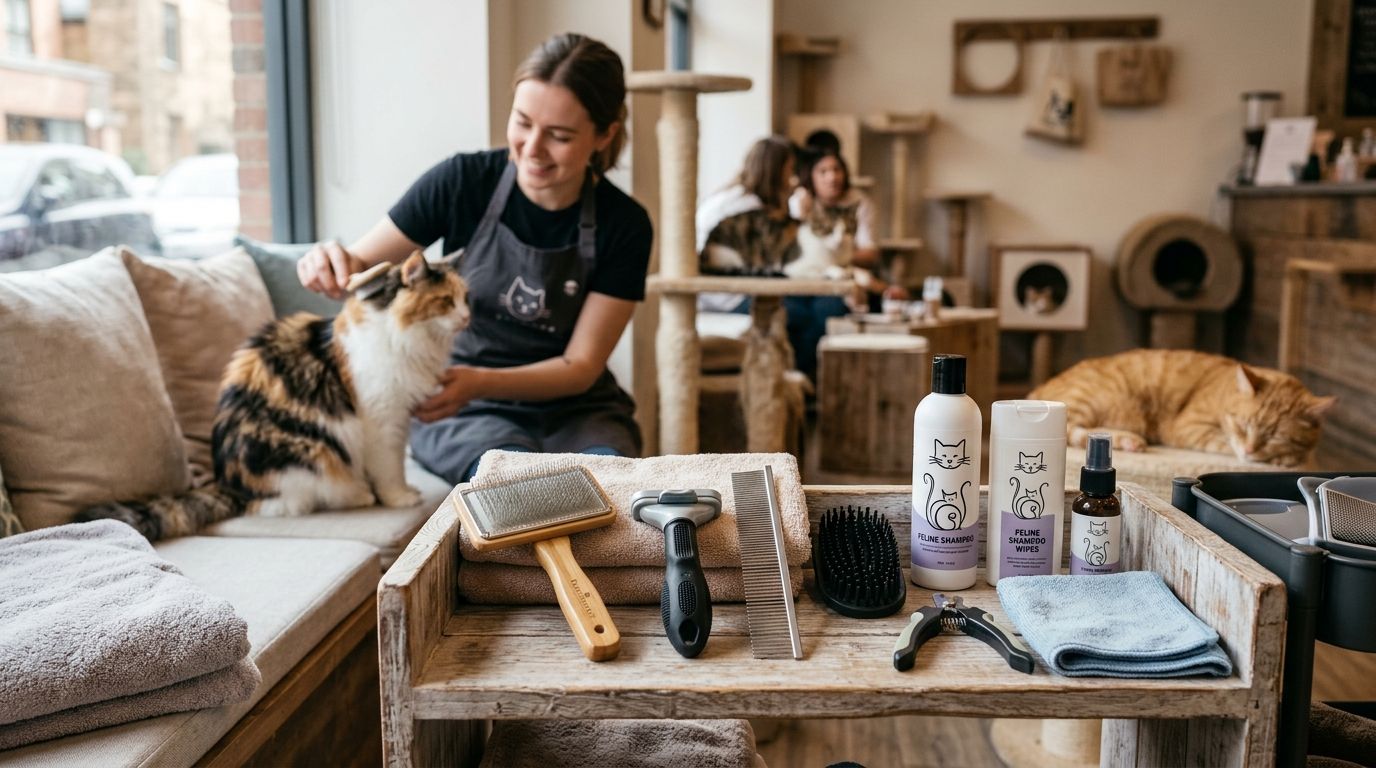
Cat grooming tools for cat breeders are the nail clippers, restraint wraps, brushes, and dental kits sized to handle litters and adult breeding cats at once, not just one household pet. A breeder's kit has to survive daily use across multiple cats, different coat types in one litter, and kittens leaving for new homes on a grooming schedule you set, not one you improvise.
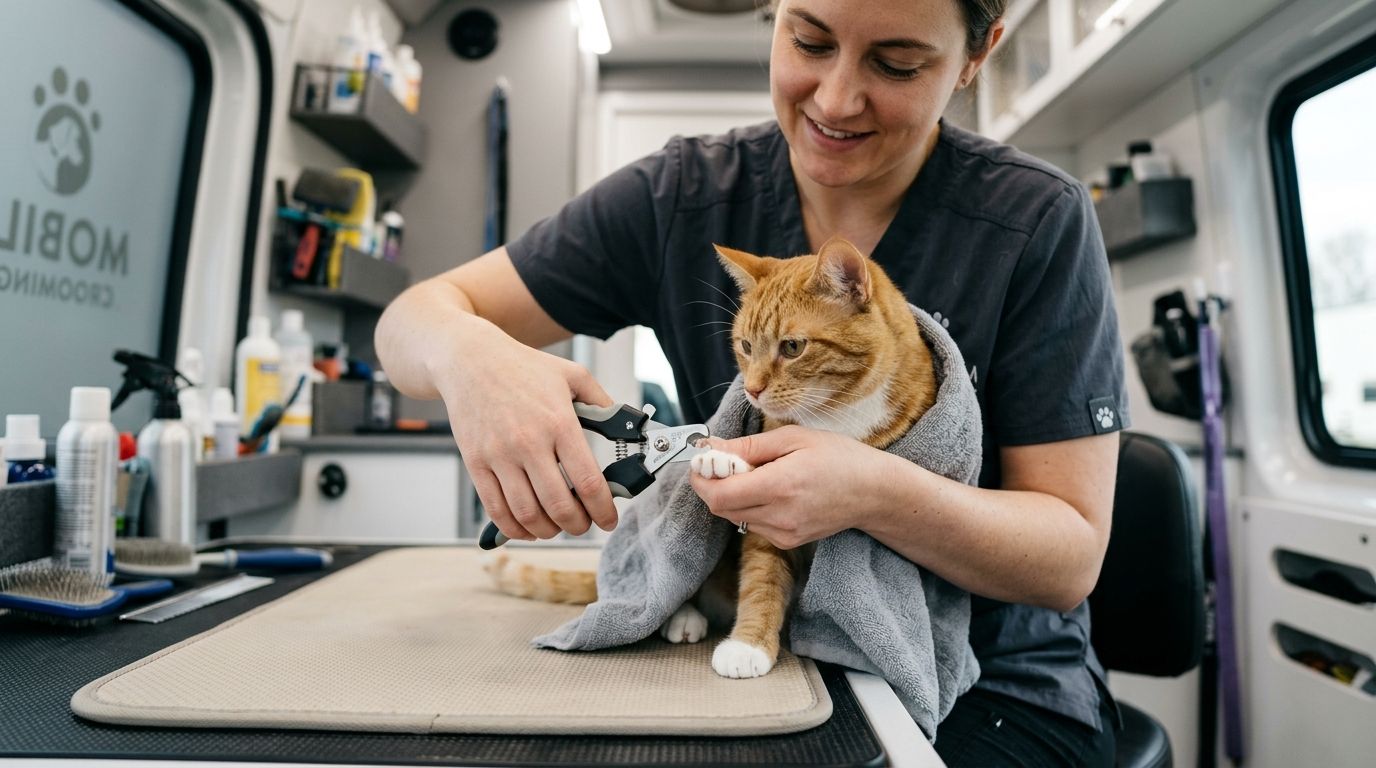
- Full Stainless Steel Cat Nail Clipper handles adult breeding cats and older kittens with one clean snip per nail.
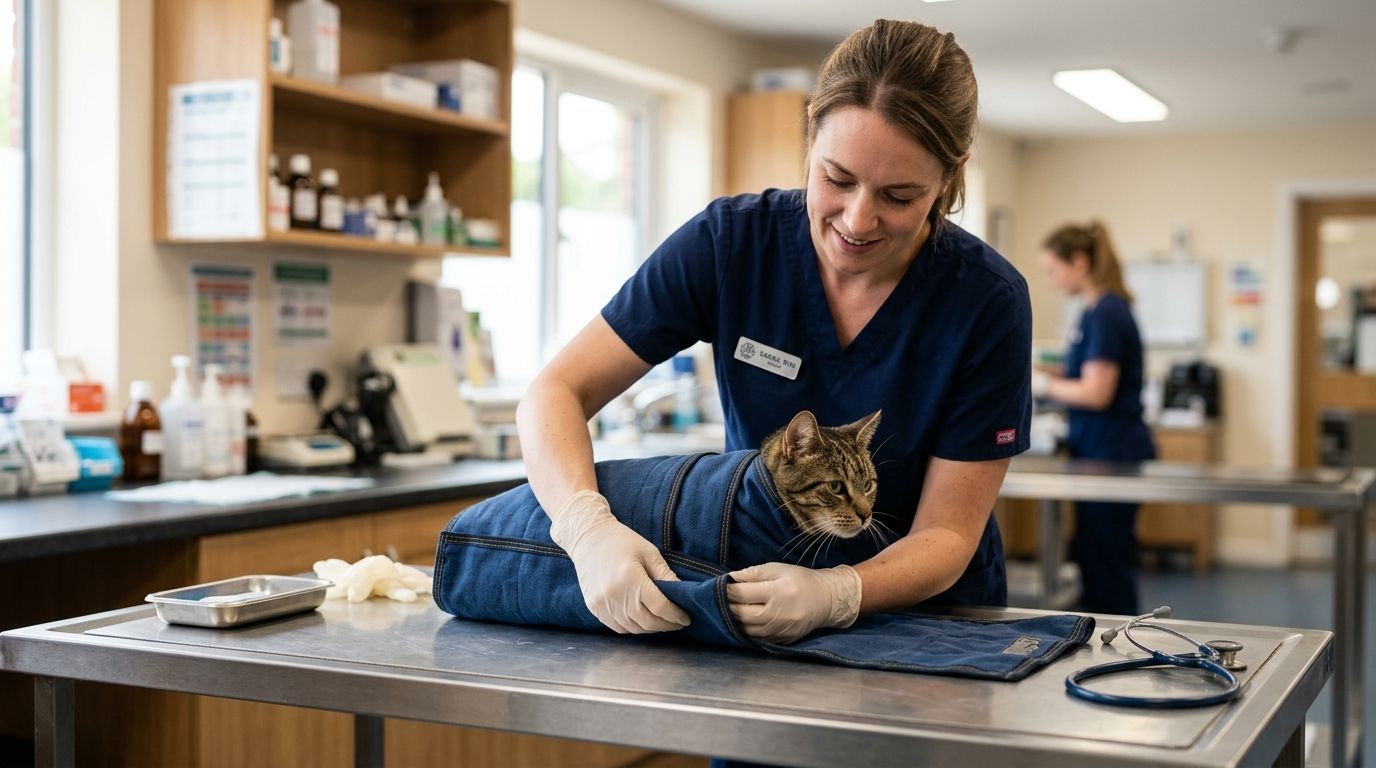
- Snug Pro Cat Wrap is the fastest way to trim solo, without a second pair of hands holding a cat down.
- Cat grooming tools for breeders in 2026 need to survive daily multi-cat use, not occasional single-cat sessions.
- Buy two clippers minimum if your cattery runs more than 4 cats — one dulls faster than you'd expect.
- Kittens can start nail-trim desensitization from around 8 weeks, before they ever go to a groomer.
Why cat grooming tools matter for breeders
A household with one cat trims nails maybe twice a month. A cattery with an active litter runs that same task across a mother cat, a litter of four to six kittens, and often a second breeding female on a staggered cycle. The tools that hold up under one-cat use wear out fast under breeder volume — a plastic-handled clipper that lasted a pet owner three years might loosen within a single kitten season for a breeder.
Breeders also carry a responsibility pet owners don't: kittens leave for new homes already desensitized to nail trims and handling, or the new owner inherits that training gap. Building the right grooming kit for multi-cat households early in a litter's life saves you from re-training resistant adult cats later, and it saves new owners from a cat that panics at every trim.
Build a nail-trim station that scales past one cat
Set up a fixed spot for trims — same light, same surface, same time of day — so every cat in the cattery associates it with routine, not ambush.
- A non-slip mat or towel that stays in one place
- Treats staged within arm's reach, not in another room
- One clipper per 4-5 cats so blades stay sharp between sessions
- A small container for clipped nail tips, since some cats fixate on them
- A second person on standby for kittens under 10 weeks who wriggle hardest
Match clippers to age and nail type across the litter
A single litter can have kittens with soft, translucent nails alongside an older breeding female with thick, dark nails — one clipper style rarely covers both well. A stainless steel clipper with a wide viewing window matters more here than in a single-cat household, because you're checking the quick fast across many different nail shapes in one session. The cat nail clippers for professional pet groomers guide covers blade types built for exactly this kind of repeat, high-volume use.
- Full-steel construction over plastic-handled models for daily wear
- An 18mm or wider viewing blade so you can see the quick on dark nails
- Spring-loaded release so your hand doesn't cramp after 20+ trims in a row
- A grinder as backup for cats who won't tolerate the clip sound
- Separate clippers for kittens vs. adults if nail thickness varies widely
Add a restraint wrap for solo kitten handling
Most breeders trim alone at some point — feeding schedules, vet runs, and litter checks don't wait for a second pair of hands. A restraint wrap does the job a helper used to do: it keeps a cat's body still while leaving paws accessible, without pinning them down by force. The Snug Pro Cat Wrap is built for exactly this — calmer nail trims and medication without a chase, and it lets a cat leave the wrap on their own terms once the trim is done rather than being held until you're finished.
- Wrap fabric that breathes so cats don't overheat mid-session
- Fast-release fastenings so panic doesn't turn into a struggle
- One wrap sized to fit a range of adult cat body types across a cattery
- Reusable across every cat in the household, not single-use
- A calmer alternative to full-body pinning for cats who freeze under pressure
Set a grooming rotation for the whole cattery
Without a rotation, the loudest or most anxious cat gets groomed first every time and the calmest cat gets skipped for weeks. Write the rotation down.
- A weekly nail-check pass for every cat, trim only what's grown
- A monthly deep-groom day for coat, ears, and teeth together
- A separate, lighter schedule for kittens under 12 weeks
- A log per cat noting last trim date and any resistance flagged
- A buffer day before any show or buyer viewing for touch-ups
Choose brushes and grooming gloves for coat type, not convenience
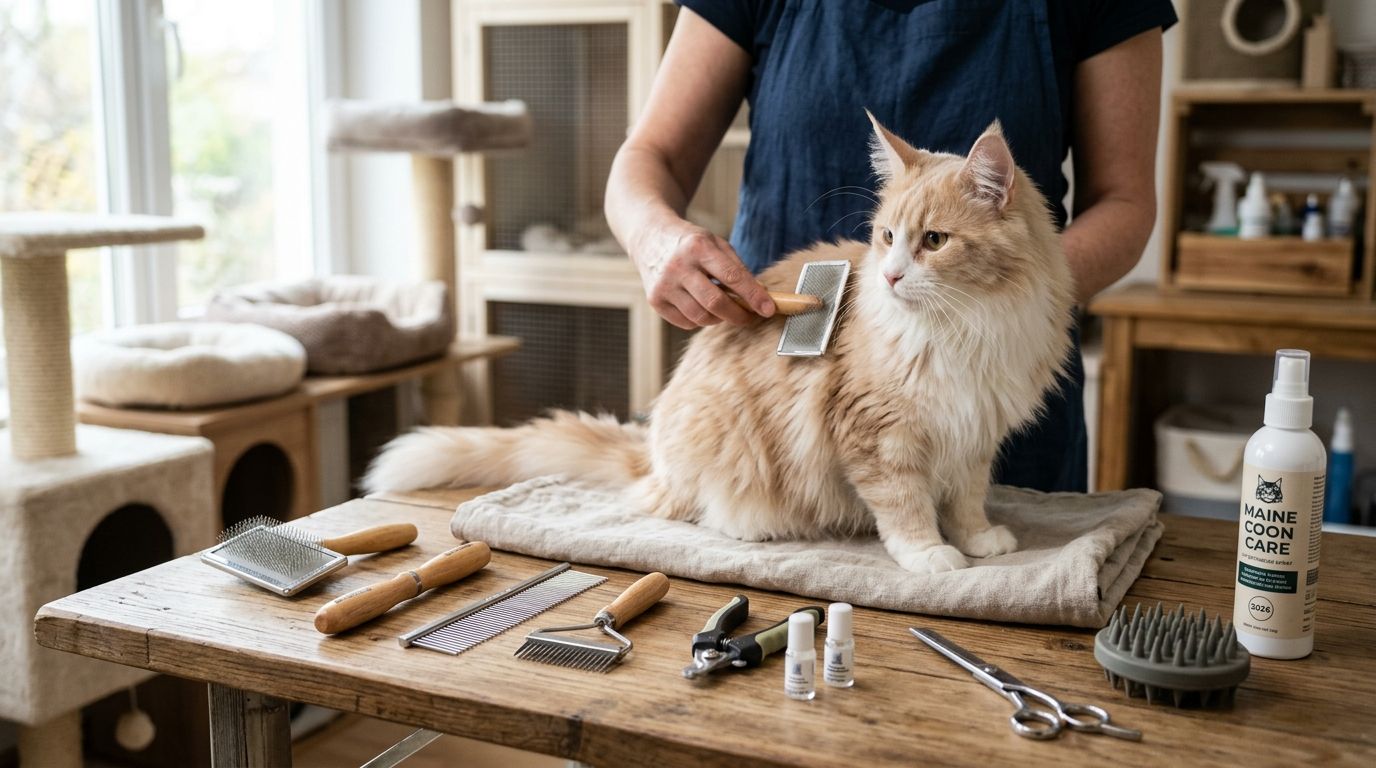
A cattery with mixed long-haired and short-haired cats can't run one brush for everyone without under-serving one coat type. Long-haired breeding cats mat faster around the legs and belly; short-haired cats shed more but rarely mat.
- A slicker or de-shedding tool for long-haired cats prone to matting
- A grooming glove for short-haired cats who tolerate brushes poorly
- A flea comb kept separate from daily brushes, used weekly on kittens
- A wide-tooth comb for detangling before any bath or show prep
- Gloves and brushes cleaned between cats, especially during litter season
Track ear and dental care per cat, not just coat and nails
Breeders who only track nails and coat miss the two areas buyers ask about most at pickup: ears and teeth. Build both into the same rotation instead of treating them as separate tasks.
- Ear checks weekly, cleaning only when visible buildup appears
- Dental wipes or a brush introduced by 10-12 weeks, before adult teeth set in
- A note in each cat's log on ear wax color and odor changes
- Separate ear-cleaning tools for cats with any history of ear mites
Prepare a vet-visit and buyer-handoff kit
Every kitten that leaves your cattery reflects on your grooming standards. A short pre-handoff groom — nails, quick brush, ear check — reads as care to a new owner and reduces the chance they show up stressed at their first vet visit.
- A trimmed nail check within 48 hours of handoff
- A clean coat brush-out, especially for long-haired kittens
- A note to new owners on the schedule you kept, so they can continue it
- A restraint wrap demo if the buyer seems nervous about future trims
Comparison: grooming tool options for breeders
| Option | Best for | Key limitation |
|---|---|---|
| Full Stainless Steel Cat Nail Clipper | Daily multi-cat trims across mixed nail thickness | Needs a second clipper on hand once you pass 4-5 cats |
| Nail grinder | Cats who startle at clip sound but tolerate vibration | Slower per nail than clippers, not ideal for a full litter in one sitting |
| Snug Pro Cat Wrap | Solo trims and medicating without a helper | Not a substitute for desensitization training with young kittens |
| Grooming gloves | Short-haired cats resistant to brushes | Less effective on long-haired cats prone to matting |
| Professional groomer visits | Show prep or cats with severe matting | Doesn't scale to daily cattery volume or cost-effective for a full litter |
Verdict: for a cattery running more than 4 cats, the Full Stainless Steel Cat Nail Clipper paired with the Snug Pro Cat Wrap covers the bulk of routine trims without needing a groomer for every session.
Common mistakes breeders make
- Buying one clipper for the whole cattery. Blades dull faster under daily multi-cat use than most pet owners expect, and a dull blade crushes rather than cuts, which makes cats dread the next trim.
- Skipping kitten desensitization because "they're too young." Kittens tolerate handling best from around 8 weeks — waiting until they're adult-sized makes every future trim harder.
- Treating grooming as a one-person job with no wrap or backup. Forcing a cat down by hand teaches fear; a wrap that lets the cat leave on their own terms teaches tolerance.
- No written rotation. Without a log, it's easy to lose track of which cat was trimmed last, and anxious cats quietly get skipped for weeks.
- Ignoring ears and teeth until a buyer asks. Both take under two minutes per cat when folded into the same grooming session as nails and coat.


FAQ
What's the best cat grooming tool for a breeder with multiple cats?
A full stainless steel clipper covers most daily trims across a cattery, and a restraint wrap solves the solo-handling problem most single-cat kits ignore. Buy two clippers once you pass 4-5 cats so one blade never has to cover the whole litter.
How often should breeding cats be groomed in 2026?
Nail checks weekly with trims only when growth needs it, plus one deep-groom session a month covering coat, ears, and teeth together. Kittens under 12 weeks need a lighter version of the same schedule.
Is a cat wrap necessary for breeders, or just a nice-to-have?
It's not required, but it solves the specific problem of trimming alone without a second pair of hands, which most breeders face daily. The Snug Pro Cat Wrap lets a cat leave on their own terms once the trim is done, rather than being pinned until you're finished.
Can one grooming kit serve an entire cattery?
One kit can cover routine coat and nail care, but breeders with mixed long-haired and short-haired litters usually need a second brush type since one tool rarely serves both coat types well.
When should kittens start getting used to nail trims?
Desensitization can start around 8 weeks with light handling before any actual clipping. Kittens introduced early tolerate trims far better as adults than those first trimmed at 6 months or later.
Is a nail grinder better than clippers for a cattery?
Grinders suit cats who startle at the clip sound but tolerate vibration, though they're slower per nail than clippers when you're working through a full litter in one sitting. Most breeders keep both on hand.
How do you keep grooming tools sanitary between different cats in the same litter?
Wipe blades and brushes between cats, especially during an active litter, since kittens are more susceptible to skin issues passed tool-to-tool. A dedicated flea comb kept separate from daily brushes reduces cross-contact further.
What should go in a kitten handoff grooming kit for new owners?
A trimmed nail check within 48 hours of pickup, a brushed coat, and a quick ear check reads as care to a new owner. Passing along the schedule you kept helps the new owner continue it without starting from zero.
One last thing
Most breeders replace clippers when the blade visibly dulls — but a clipper that crushes instead of cuts starts failing weeks before that's obvious to the eye, and cats notice the difference in force long before you do. Test sharpness on a single kitten nail before running a full litter through the same blade; if it takes more than one motion to clip cleanly, retire it that day, not at the end of the season.